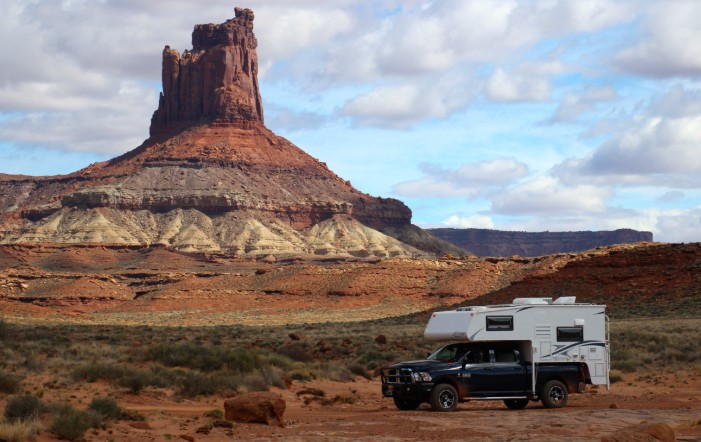
If there is a holy grail of off-roading in the United States, it is undeniably Moab, Utah. Nestled between Arches National Park and Canyonlands National Park, the town of Moab is surrounded by millions of acres of jagged red rock, deep canyons, and vast expanses of BLM (Bureau of Land Management) public land.
For the traditional tourist, Moab means snapping a quick photo of Delicate Arch and heading back to an expensive hotel. But for the WildRigged adventurer, Moab is a massive, dusty playground. It is the perfect destination to push your rig to its limits, sleep under some of the darkest skies in North America, and experience the raw beauty of the desert.
However, overlanding in Moab requires serious preparation. The environment is harsh, the trails can be brutal on your suspension, and the rules for dispersed camping are strictly enforced.
Here is your ultimate Moab overlanding guide for a successful truck bed camping trip in 2026.
1. Preparing Your Rig for the Slickrock
Moab is famous for “slickrock”—a type of sandstone that is actually incredibly grippy, acting like sandpaper on your tires. While the traction is amazing, the terrain is unforgiving.
- Air Down Your Tires: You cannot run highway tire pressure on Moab trails. You must air down to 15-20 PSI (or lower, depending on your tires and beadlocks). This softens the ride over sharp rocks and drastically increases your tire’s footprint for traction. Make sure you have a heavy-duty portable air compressor to air back up when you hit the pavement.
- Skid Plates and Rock Sliders: Many of the intermediate trails in Moab feature large rock ledges. If your truck has a long wheelbase, you will scrape your belly. Steel rock sliders and a robust engine skid plate are highly recommended to protect your vital components.
- Carry Extra Fuel and Water: The desert dehydrates you faster than you realize. Carry a minimum of 2 gallons of water per person, per day. If you are running remote trails like the White Rim Road, carry extra fuel in RotopaX or jerry cans.
2. Top Beginner to Intermediate Overlanding Trails
Moab has trails that will destroy a fully-built rock crawler, but it also has incredibly scenic routes perfect for a moderately modified overlanding truck.
Gemini Bridges Trail: This is a fantastic introductory trail. It takes you high up onto the canyon rims, offering breathtaking views of the La Sal Mountains, and ends at a massive natural twin rock bridge. It is mostly a bumpy dirt road with a few minor rock ledges, easily doable in a stock 4×4 truck with decent all-terrain tires.
Shafer Trail to Potash Road: Starting inside Canyonlands National Park, the Shafer Trail is a famous series of terrifyingly steep, narrow switchbacks that drop you down to the Colorado River. It is not highly technical, but it requires nerves of steel and good brakes. Once at the bottom, the Potash Road takes you past ancient petroglyphs and stunning canyon walls back to Moab.
The White Rim Road (Advanced Planning Required): This 100-mile loop through Canyonlands is the crown jewel of Moab overlanding. It takes 2 to 3 days to complete and requires a backcountry permit booked months in advance. You will need high clearance, 4-Wheel Drive, and complete self-sufficiency, but it is the trip of a lifetime.
3. Where to Camp: Free and Dispersed Spots
The days of pulling off the highway anywhere in Moab to camp are over. To protect the fragile desert cryptobiotic soil, the BLM has implemented strict designated camping rules.
- Dalton Well Road: Located north of town, this area offers free dispersed camping. It can get crowded and dusty, but it is a great staging area for trails.
- Willow Springs Road: Another highly popular BLM area north of Moab. You must camp in designated, previously disturbed areas. Do not crush the vegetation.
- Klondike Bluffs: A bit further out of town, this area offers beautiful views and access to great mountain biking and 4×4 trails right from your truck bed tent.
Important Note for 2026: You must pack out solid human waste. Digging a cat hole is no longer permitted in many areas of Moab due to the sheer volume of visitors. You are legally required to carry a portable toilet system (like a WAG bag or a dedicated camp toilet).
4. The Best Time to Visit Moab
Do not go to Moab in July or August. Temperatures regularly exceed 105°F (40°C), making truck bed camping a miserable and dangerous experience.
The prime overlanding seasons are Spring (March to May) and Fall (September to November). During these months, the daytime temperatures are perfect for off-roading (around 70°F), and the nights are cool enough for a comfortable sleep in your truck bed.
Keep in mind that Easter week is the annual “Easter Jeep Safari,” which brings tens of thousands of off-roaders to the small town. If you want a quiet trip, avoid Moab during this specific week.
Final Thoughts: Respect the Red Dirt
A Moab overlanding trip will test your driving skills and leave a layer of red dust on your gear that you will never completely wash off. It is an addictive, awe-inspiring landscape.
Tread lightly, stick to the marked trails, secure your truck bed camping setup, and prepare to be blown away by the beauty of the Utah desert. Stay safe, and stay wild.