When you are fifty miles down a rocky dirt road, completely off the grid with no cell service, the phrase “help is on the way” loses all its meaning. In the world of overlanding and truck bed camping, you are the help.
Most beginners make a critical mistake when packing their rigs: they grab a $20 plastic first aid box from a local pharmacy, throw it under their DIY sleeping platform, and consider themselves prepared.
But a box filled with tiny band-aids and cheap aspirin is useless when a heavy recovery winch snaps, an axe slips while chopping firewood, or a severe burn occurs over a camp stove. You need a dedicated, heavy-duty overlanding first aid kit designed specifically for trauma and remote wilderness survival.
In this WildRigged guide, we will break down exactly how to build a comprehensive trauma and medical kit that could literally save a life on the trail.
1. The Foundation: The Trauma Kit (IFAK)
Your overlanding medical setup should be divided into two sections. The first is the Trauma Kit, often called an IFAK (Individual First Aid Kit). This pouch is reserved exclusively for life-threatening emergencies involving severe bleeding or airway issues.
You should keep this kit easily accessible—velcroed to the back of your driver’s seat or mounted instantly reachable on your truck canopy. You do not have time to dig through plastic bins when someone is bleeding heavily.
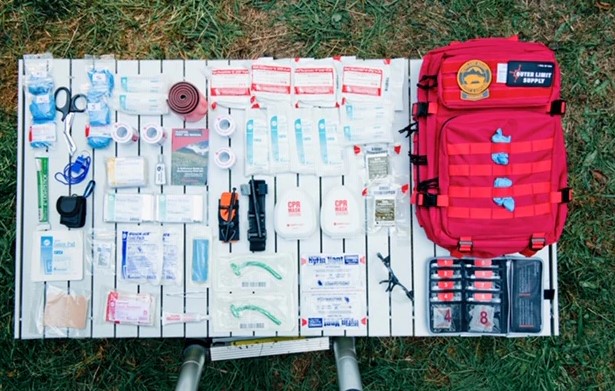
What Must Be Inside Your Trauma Kit:
- CAT Tourniquet (Combat Application Tourniquet): Do not buy cheap knock-offs. A genuine North American Rescue CAT tourniquet is the only proven tool to stop massive arterial bleeding in a limb. Buy two.
- Israeli Battle Dressing (Emergency Trauma Bandage): This is a heavy-duty elastic bandage with a built-in pressure bar to stop severe bleeding from deep wounds.
- QuikClot or Celox Hemostatic Gauze: This specialized gauze is impregnated with an agent that rapidly accelerates blood clotting. It is essential for packing deep puncture wounds or lacerations where a tourniquet cannot be applied (like the groin or shoulder).
- Chest Seals (Vented): If an accident causes a penetrating chest injury, a vented chest seal prevents the lung from collapsing.
- Trauma Shears: Heavy-duty scissors capable of cutting through thick denim, leather boots, or a seatbelt in seconds.
2. The “Boo-Boo” and Comfort Kit
The second part of your setup is the everyday medical kit. This is the larger bag you keep stored away for minor injuries, illnesses, and general camp comfort.
Wound Care and Splints:
- Assorted heavy-duty fabric bandages (plastic ones fall off instantly in the dirt).
- Steri-Strips or butterfly closures (for closing deep cuts that might need stitches later).
- A large bottle of Betadine or sterile saline solution for flushing out dirt and debris from a wound.
- A SAM Splint (a moldable aluminum and foam splint) and ACE wraps to stabilize sprained ankles or fractured wrists.
- Burn gel dressings (specifically for camp stove or campfire accidents).
Over-The-Counter Medications:
- Ibuprofen and Acetaminophen (for pain and fever).
- Loperamide (Imodium) for severe stomach issues—diarrhea in the backcountry can quickly lead to dangerous dehydration.
- Antihistamines (Benadryl) for unexpected severe allergic reactions to plants or insect stings.
- Electrolyte powder packets to treat heat exhaustion.
3. Specialized Overlanding Additions
Because truck camping involves unique hazards, your overlanding first aid kit needs a few specialized items that standard hikers don’t carry.
- High-Quality Tweezers and Magnifying Glass: Essential for removing deep splinters from firewood, metal shards from vehicle repairs, or ticks.
- Eye Wash Solution: The desert is dusty, and vehicle recovery often kicks up metal shavings or sand. A dedicated eye wash bottle is crucial if someone gets debris in their eye.
- Super Glue: While it sounds crazy, professional mechanics and off-roaders use super glue (Cyanoacrylate) to quickly seal clean, shallow cuts on their hands so they can get right back to fixing the truck.
4. The Most Important Tool: Training
You can spend $500 building the ultimate overlanding first aid kit, but if you do not know how to use it under extreme stress, it is just expensive dead weight.
Before you head into the remote backcountry, invest a weekend in a Wilderness First Aid (WFA) or Wilderness First Responder (WFR) course. These courses, often run by organizations like NOLS, teach you how to improvise splints, safely move an injured person, and manage trauma when you are hours away from an emergency room.
At the very least, take a basic “Stop the Bleed” class in your local area to learn the proper application of a tourniquet and hemostatic gauze.
Final Thoughts: Pack Heavy, Travel Safe
No one wants to think about a horrific accident ruining their truck bed camping trip. But the harsh reality of off-roading is that things can—and eventually will—go wrong.
By building a proper overlanding first aid kit, prioritizing your trauma supplies, and getting the right training, you buy yourself the most valuable gear of all: peace of mind. Build your kit this weekend, mount it where you can reach it in three seconds, and stay wild.