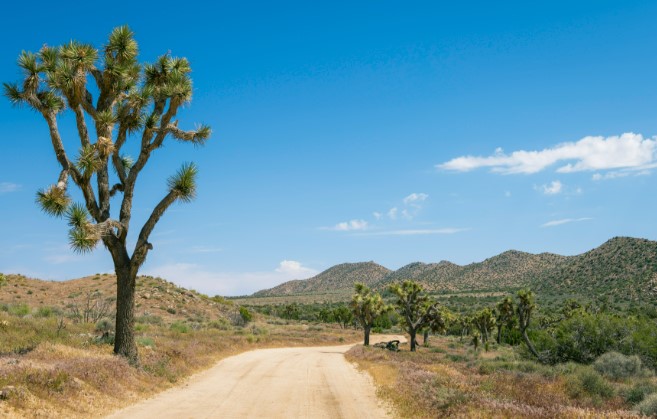
There is a unique kind of magic in the Mojave Desert. Where the high Mojave meets the low Colorado Desert, you will find a landscape that looks like it was pulled straight from a science fiction movie. Welcome to Joshua Tree National Park.
For traditional tourists, Joshua Tree is a place for quick hikes and roadside photography. But for the WildRigged adventurer, the paved roads are just the beginning. The park boasts an extensive network of rugged dirt roads, historic mining trails, and isolated backcountry zones that are practically begging to be explored by a properly equipped truck or SUV.
A Joshua Tree overlanding route offers everything you could want: challenging terrain, profound silence, stunning stargazing, and incredible truck bed camping opportunities.
In this comprehensive guide, we have mapped out the ultimate 3-day, 2-night off-road itinerary that will take you far away from the crowds and deep into the heart of the desert.
Before You Go: Essential Desert Preparation
The desert is beautiful, but it is entirely unforgiving. Before you lock your hubs and air down your tires, you must prepare your rig for extreme conditions.
- Water is Life: The National Park Service recommends one gallon of water per person, per day. For an overlanding trip, double that. Carry a minimum of 10 to 15 gallons in your truck bed. There is zero surface water in the backcountry.
- Tires and Recovery: The rocks in Joshua Tree are sharp, and the sand can be deep. All-Terrain (A/T) or Mud-Terrain (M/T) tires are mandatory. Bring a full-size spare, a tire repair kit, a high-quality air compressor, and recovery boards (like Maxtrax).
- Offline Navigation: You will lose cell service approximately five minutes after entering the park. Download offline maps via apps like OnX Offroad or Gaia GPS before you leave civilization.
Day 1: Into the Mojave and the Geology Tour Road
Your adventure begins at the West Entrance near the town of Joshua Tree. After grabbing a coffee and filling up your gas tank (there is no fuel inside the park), it is time to hit the dirt.
The Trail: Geology Tour Road
Start your journey by heading south on Park Boulevard until you reach the Geology Tour Road. This is an 18-mile dirt and sand track that descends into the beautiful Pleasant Valley.
The first few miles are relatively smooth, but as you pass the iconic Squaw Tank, the road becomes deeply rutted and sandy. This is where 4-Wheel Drive becomes highly recommended. The landscape here is dotted with massive boulder piles and the namesake Joshua Trees.
Setting Up Camp
As the sun begins to set, the sky will turn brilliant shades of purple and orange. While backcountry camping in Joshua Tree requires a permit (easily obtained via recreation.gov), there are incredible dispersed camping areas just outside the southern boundary of the park on BLM (Bureau of Land Management) land.
Park your rig on the flat desert floor, set up your truck bed sleeping platform, and prepare for some of the best stargazing in North America.
Day 2: The Pinto Basin and Berdoo Canyon Trail
Wake up early. The desert is most alive right at sunrise when the temperatures are cool and the light casts long shadows across the sand.
The Trail: Berdoo Canyon
Today, you tackle one of the most famous off-road trails in Southern California: The Berdoo Canyon Trail.
This route connects the high desert of Joshua Tree to the low desert of the Coachella Valley. Starting from the Geology Tour Road, you will transition into a rocky, technical canyon. You will navigate through dry washes, maneuver over off-camber rock steps, and squeeze through narrow canyon walls.
This section requires high clearance and careful tire placement. A spotter is incredibly helpful in the tighter sections of the canyon. The contrast in scenery is mind-blowing as you descend; the Joshua trees disappear, replaced by Ocotillo plants and Cholla cactus.
The Second Night
After successfully navigating the canyon, you can either head back up into the park via the paved Cottonwood Springs road or find another remote dispersed camping spot on the BLM land bordering the southern edge of the park.
If you are truck bed camping, remember that the desert cools down rapidly at night. A reliable sleeping bag and an insulated sleeping pad are essential, even if the daytime high was 90°F.
Day 3: Old Dale Mining District and the Exit
Your final day in the desert is a journey back in time. The eastern edge of Joshua Tree National Park is littered with the ruins of the 19th-century gold rush.
The Trail: Old Dale Road
Head north toward the Pinto Basin and access Old Dale Road. This trail cuts through the Pinto Mountains and takes you deep into the historic Old Dale Mining District.
The road starts as a washboard dirt path but quickly becomes steep and heavily rutted as it crosses the mountain pass. Along the way, you will see the abandoned remains of old mines and rusty equipment left behind over a century ago. Keep your distance from the mine shafts, as they are highly unstable.
As you crest the mountains, you are rewarded with sweeping views of the surrounding desert before the road drops you out near the town of Twentynine Palms, concluding your epic 3-day journey.
Truck Bed Camping Tips for Joshua Tree
Camping in the back of your truck in the desert requires a few specific strategies to stay comfortable:
- Wind Management: The desert wind can be relentless. Try to park your truck with the tailgate facing away from the prevailing wind. If you use a truck bed tent, make sure it is heavily secured.
- Dust Control: Fine desert dust will get into everything. Keep your windows rolled up while driving the dirt trails, and store your sleeping gear in sealed plastic bins during the day.
- Leave No Trace: The desert ecosystem is incredibly fragile. A single tire track off the designated trail can scar the landscape for decades. Pack out all your trash, stay on the marked routes, and respect the wild.
Final Thoughts on the Desert Wild
A Joshua Tree overlanding route is a rite of passage for any serious off-road enthusiast. It tests your vehicle, challenges your navigation skills, and rewards you with a profound sense of isolation and natural beauty.
Make sure your rig is ready, pack more water than you think you need, and embrace the silence of the Mojave.