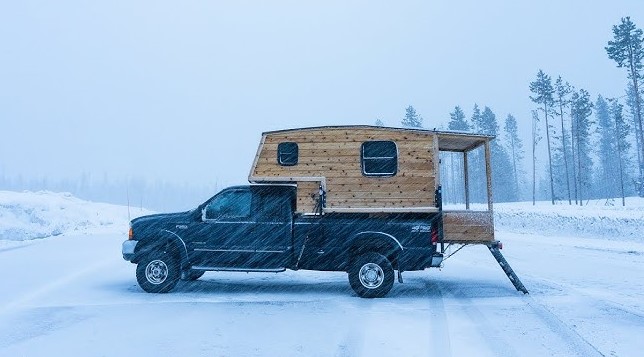
There is a profound, silent beauty in waking up to a pristine, snow-covered landscape miles away from civilization. The crowds of summer are gone, the trails are completely empty, and the world feels entirely your own.
But winter truck bed camping is not for the unprepared. When the sun drops behind the mountains and the temperature plummets to 20°F (or lower), the romantic idea of a winter wonderland can quickly turn into a miserable—and potentially dangerous—survival situation.
A metal truck bed is essentially an icebox. It pulls heat away from your body faster than the ambient air. However, with the right gear, smart insulation strategies, and a few old-school bushcraft tricks, you can turn the back of your rig into a cozy, 70-degree sanctuary.
Here is the ultimate WildRigged guide to staying warm during your winter overlanding adventures in 2026.
1. Insulation is Your First Line of Defense
Before you even think about adding a heat source, you must stop the cold from getting in and your body heat from getting out.
Insulate the Truck Shell: Most fiberglass or aluminum truck toppers have zero insulation. Condensation will freeze directly on the ceiling, creating an indoor snowstorm when you wake up. Line the ceiling and walls of your shell with automotive carpet or closed-cell foam insulation (like Reflectix, but cover it with fabric to avoid feeling like a baked potato).
The R-Value of Your Mattress: This is the most critical mistake beginners make. A cheap air mattress will literally suck the warmth out of your bones. You need a sleeping pad with a high “R-Value” (Resistance to heat flow). Look for a pad with an R-Value of 5.0 or higher, such as the Exped MegaMat. If you built a DIY wooden platform, that wood is already acting as a fantastic thermal break between you and the freezing metal bed.
2. The Right Sleeping Bag System
You cannot cheat the cold with a summer sleeping bag. For winter truck bed camping, you need a bag rated for at least 10 to 15 degrees lower than the coldest temperature you expect to encounter.
- Mummy vs. Rectangular: Mummy bags trap heat much more efficiently because there is less “dead air” for your body to warm up.
- Down vs. Synthetic: Down insulation is lighter and warmer, but if it gets wet from condensation, it loses its insulating power. Synthetic bags are bulkier but stay warm even when damp.
- The Sleeping Bag Liner: Adding a fleece or thermal sleeping bag liner (like the Sea to Summit Reactor) can add an extra 10°F to 15°F of warmth to your existing setup for a fraction of the cost of a new winter bag.
3. Safe Heating Solutions for Truck Beds
Once you are insulated, you can introduce a heat source. But heating a small, enclosed space requires extreme caution regarding carbon monoxide and fire hazards.
The 12V Heated Blanket: This is the safest and most efficient heating hack for truck campers. Instead of trying to heat the air inside the truck, heat your body directly. Plug a 12V heated blanket into your portable power station (like a Jackery or EcoFlow) and lay it underneath your sleeping bag. It will keep you toasty all night using minimal wattage.
Portable Propane Heaters: Heaters like the Mr. Heater Buddy are incredibly popular. They run on small green propane tanks and put out massive heat. Warning: They consume oxygen and release carbon monoxide. Only use them to warm up the truck bed before you go to sleep and right when you wake up. Never sleep with a propane heater running.
Diesel Heaters (The Pro Setup): If you are building a permanent winter rig, a “Chinese Diesel Heater” is the gold standard. These units sit outside the sleeping area (or are safely vented) and pump dry, hot air into the truck bed. They use very little fuel and completely eliminate the moisture problem associated with propane.
4. Moisture and Condensation Management
Here is the frustrating paradox of winter camping: Cold air outside + warm bodies breathing inside = massive condensation.
If you seal your truck bed completely tight, the moisture from your breath will soak your sleeping bag, making you freezing cold by 3:00 AM.
You must maintain airflow. Crack two windows (one on each side) about an inch to create cross-ventilation. If you have a roof vent fan (like a MaxxFan), run it on low to pull the wet air out. It feels counterintuitive to let cold air in, but staying dry is the absolute key to staying warm.
5. Body Heat Hacks Before Bed
Your sleeping bag doesn’t create heat; it only traps the heat your body produces. If you crawl into bed freezing cold, you will stay freezing cold.
- The Nalgene Trick: Boil water on your camp stove, pour it into a hard plastic Nalgene bottle, wrap the bottle in a spare shirt (so it doesn’t burn you), and throw it at the bottom of your sleeping bag 15 minutes before bed. It will radiate heat by your feet all night.
- Eat a High-Fat Snack: Your body is a furnace. Fuel it before bed with a high-fat, high-calorie snack like peanut butter, a protein bar, or cheese. The digestion process generates internal heat.
- Wear Merino Wool: Ditch the cotton sweatpants. Wear a clean, dry set of Merino wool base layers. Never wear the clothes you hiked or worked out in; the microscopic sweat in those clothes will freeze you.
Final Thoughts: Embrace the Chill
Winter truck bed camping opens up an entirely new dimension of overlanding. The silence of a snowy forest and the crisp morning air are rewards reserved only for those willing to brave the cold.
By prioritizing insulation, investing in the right sleeping gear, and managing moisture, you can comfortably push your WildRigged adventures into the fourth season. Pack your heated blanket, prep your 12V power station, and don’t let the frost keep you indoors.