The Dawn of Accessible Adventure: Unpacking the $28,000 Affordable Electric Pickup for Overlanding
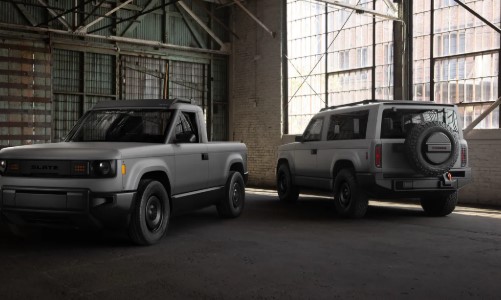
The overlanding world is buzzing with anticipation, and for good reason. A seismic shift is underway with the arrival of the $28,000 affordable electric pickup, promising to democratize off-grid adventures and redefine what it means to explore responsibly. This isn’t just another vehicle; it’s a potential game-changer, dubbed ‘The Anti-Tesla’ by some, specifically targeting the segment of adventurers who prioritize utility, ruggedness, and value over luxury and extreme performance figures. For seasoned overlanders and aspiring explorers alike, this development opens a fascinating new chapter in how we conceive and execute our journeys into the wild.
For years, the gateway to serious overlanding often came with a hefty price tag, requiring robust 4x4s, extensive modifications, and a significant investment in specialized gear. While the spirit of adventure remains priceless, the financial barrier to entry has undeniably been a significant hurdle for many. The introduction of an electric pickup at such an accessible price point doesn’t just lower that barrier; it potentially shatters it, inviting a new generation of adventurers to experience the joys of self-reliant travel. This isn’t about replacing the beloved diesel workhorses or the iconic gasoline guzzlers overnight, but rather offering a compelling, environmentally conscious alternative that demands a fresh look at our overlanding strategies.
The Paradigm Shift: Accessibility Meets Sustainability
Imagine a future where embarking on a multi-day journey through remote landscapes doesn’t necessitate breaking the bank on fuel costs, nor does it leave a significant carbon footprint from tailpipe emissions. This new affordable electric pickup promises just that. Its price point, comparable to many entry-level conventional pickups, makes the dream of owning a dedicated adventure vehicle more attainable for a broader audience. This democratizing effect is vital for expanding the overlanding community, bringing in diverse perspectives and experiences that can only enrich our shared passion for exploration.
Beyond the financial accessibility, the environmental benefits are profound. Electric vehicles produce zero tailpipe emissions, meaning our journeys can be undertaken with a lighter touch on the pristine environments we cherish. For overlanders who are inherently connected to nature, this aligns perfectly with the ethos of ‘tread lightly.’ Exploring national forests, desert trails, or mountain passes in near silence, with only the crunch of tires on gravel and the whisper of the wind, offers an unparalleled immersive experience. This quiet operation also minimizes disruption to wildlife, making our presence less intrusive and allowing for more intimate observations of nature.
Performance on the Trail: Electric Torque & Traction
Concerns about electric vehicle performance in rugged off-road scenarios are valid, but they often overlook the inherent advantages of electric drivetrains. Electric motors deliver instant, unparalleled torque from a standstill, a characteristic highly beneficial for climbing steep inclines, navigating challenging obstacles, and extricating oneself from sticky situations. Unlike internal combustion engines that need to rev up to their power band, an EV provides all its power exactly when you need it, often with precise control that can make technical driving easier.
Furthermore, electric vehicles often feature advanced traction control systems, leveraging the ability to individually control the power delivered to each wheel. This can mimic, and in some cases exceed, the capabilities of traditional mechanical locking differentials. With a potentially low center of gravity due to battery placement, these vehicles can offer surprising stability on uneven terrain. The absence of complex transmissions and transfer cases also simplifies the drivetrain, potentially reducing maintenance needs and providing more ground clearance in critical areas. While specific capabilities of this $28,000 model remain to be seen, the fundamental engineering principles of electric off-roaders are undeniably promising for tackling diverse terrains.
Range Anxiety vs. Real-World Overlanding: Planning is Key
The most frequently cited concern for electric overlanding is undoubtedly range anxiety. On the open highway, charging infrastructure is rapidly expanding, but off the grid, it’s a different story. However, it’s crucial to contextualize this for overlanding. Many overland trips, especially for beginners or weekend warriors, involve traveling relatively short distances each day, often covering 50-150 miles between camps. A vehicle with even a modest 200-250 mile range could comfortably handle multiple days of exploration with careful planning.
Effective trip planning becomes even more paramount with an EV. This includes meticulous route mapping to identify potential charging points – even if they’re RV parks, small town businesses, or friendly homesteads. Strategic use of solar panels on roof racks, portable power stations, and even compact, quiet gasoline generators (used sparingly for emergency charging) can extend your reach significantly. Overlanding has always been about preparedness and resourcefulness, and electric vehicles simply introduce new dimensions to these skills. Understanding your vehicle’s true consumption under various loads, speeds, and terrains, and accounting for factors like weather and elevation changes, will be critical.
Charging in the Wild: A New Frontier
The concept of charging an electric vehicle in remote wilderness areas might seem daunting, but it also sparks innovation. The future of electric overlanding will undoubtedly involve a blend of existing and emerging technologies. Imagine pulling into a remote campsite and utilizing the vehicle’s own powerful battery to run your entire camp through Vehicle-to-Load (V2L) capabilities – powering lights, refrigerators, induction cooktops, and charging all your devices without needing an auxiliary power bank or noisy generator. This self-sufficiency is a huge draw for minimalists and those seeking a truly quiet camp experience.
Beyond V2L, advancements in solar charging arrays are making off-grid replenishment more feasible. Large, flexible solar blankets can be deployed at camp to trickle charge batteries, extending range over multiple days. The overlanding community itself could become a network of charging hubs, with enthusiasts sharing knowledge and even developing cooperative charging solutions in popular remote areas. This communal aspect aligns perfectly with the spirit of overlanding and fostering mutual aid on the trails. It’s not just about finding a charger; it’s about adapting our mindset and leveraging technology to make the impossible possible.
The DIY Overlander’s Dream: Modifications & Customization
For many overlanders, the vehicle is a canvas for self-expression and functional modification. An affordable electric pickup provides an excellent base platform for DIY enthusiasts. The lower initial cost means more budget can be allocated to essential upgrades: robust tires, improved suspension, recovery points, and of course, setting up the ultimate living space. The truck bed, in particular, becomes a prime area for customization. With no exhaust pipes to contend with and potentially a flatter floor, designing custom sleeping platforms, storage solutions, and kitchen setups might be even more streamlined. For those looking to convert their truck bed into a comfortable, secure sleeping quarters, understanding truck bed camping essentials for beginners will be invaluable, especially when integrating an EV’s power capabilities.
The inherent quietness and lack of vibrations from an electric powertrain also transform the in-vehicle living experience. Imagine a restful night’s sleep in your truck bed camper without the subtle hum or occasional shudder of a cooling internal combustion engine. Accessory integration, such as roof racks for tents or cargo, bumpers for added protection and winches, and auxiliary lighting, will continue to be vital. The challenge and excitement will lie in how these traditional modifications adapt to an electric platform, considering factors like weight distribution with battery packs and integrated wiring systems. The aftermarket industry is already pivoting to support electric vehicles, and we can expect a boom in specialized EV overlanding accessories.
Beyond the Vehicle: Holistic Overlanding Prep
While the vehicle itself is a critical component, successful overlanding is a holistic endeavor. No matter what powers your rig, a well-prepared adventurer understands that the journey encompasses much more than just the machine. Navigation skills, route planning, emergency preparedness, and a solid understanding of wilderness ethics remain paramount. Learning to read maps, use GPS devices effectively, and having backup navigation methods are timeless skills that transcend vehicle types.
Equipping yourself with the right gear, from recovery tools to cooking systems and communication devices, is non-negotiable. Whether you’re driving an electric marvel or a trusty diesel, a comprehensive gear list is your lifeline. To ensure you’re fully prepared for any adventure, consult resources like the ultimate overland camping gear guide 2026. Furthermore, personal skills in wilderness safety, first aid, and basic vehicle repair are essential. Overlanding is about self-reliance, and while an electric truck offers new advantages, it doesn’t diminish the need for fundamental bushcraft and survival knowledge.
Community and the Future of Electric Overlanding
The arrival of an affordable electric pickup is poised to galvanize the overlanding community in exciting new ways. It will foster innovation, encourage new infrastructure development, and promote a deeper engagement with sustainable travel practices. As more electric vehicles hit the trails, we’ll see communities forming around shared experiences, knowledge, and problem-solving related to EV overlanding. This could lead to a proliferation of charging solutions in remote areas, community-sourced data on trail-specific range performance, and even organized electric overland rallies.
This isn’t merely a technological shift; it’s a cultural evolution. It challenges traditional notions of overlanding, pushing us to rethink our assumptions about power, range, and environmental impact. The quiet hum of an electric motor traversing a breathtaking landscape represents a paradigm where adventure and environmental stewardship can coexist more harmoniously than ever before. The future of overlanding, powered by accessible electric vehicles, promises to be an exhilarating journey of discovery, not just of remote places, but of new possibilities for sustainable exploration.
Conclusion: A New Era of Trailblazing
The $28,000 electric pickup marks a pivotal moment for the overlanding and adventure community. It signals the advent of an era where sustainable, quiet, and accessible off-grid exploration is within reach for a significantly broader audience. While challenges like charging infrastructure and range optimization will require innovative solutions and strategic planning, the fundamental advantages of electric powertrains – instant torque, quiet operation, and zero emissions – present an incredibly compelling case for its adoption. This affordable electric pickup isn’t just a vehicle; it’s an invitation to a new form of adventure, encouraging us to explore further, tread lighter, and connect more deeply with the wild world around us. The trails are calling, and soon, more of us than ever before will be able to answer that call, silently and sustainably, driving towards a greener, more inclusive future for overlanding.