Mastering Desert Heat Safety: Navigating the Southwest’s Early Summer
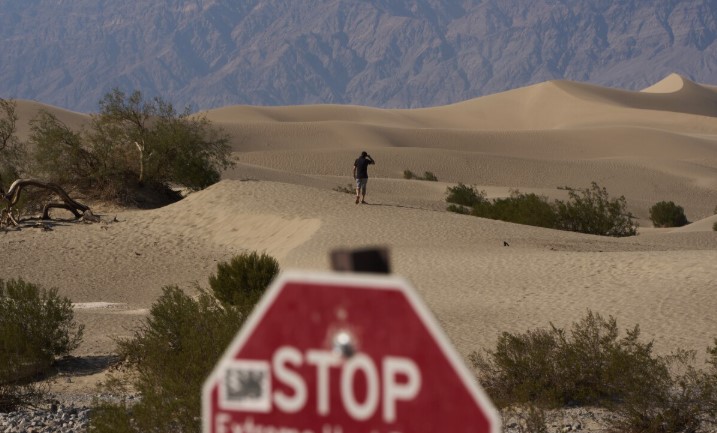
The desert calls to us, doesn’t it? The vast open spaces, the rugged beauty, the promise of true adventure off the beaten path. But as recent news reminds us, the desert is an unforgiving mistress, especially when early season heat slams the Southwest, leading to trail closures in Phoenix and Death Valley breaking 100 degrees far sooner than expected. When planning your next expedition into these iconic landscapes, understanding and implementing robust Desert Heat Safety protocols isn’t just a good idea; it’s absolutely paramount to your survival and enjoyment.
This unusually early surge of extreme temperatures is a stark warning for every overlander, adventurer, and outdoor enthusiast. It means that the windows for safe and enjoyable exploration are shifting, demanding even greater vigilance and preparation. As seasoned experts in navigating some of the world’s most challenging environments, we understand that true adventure comes hand-in-hand with meticulous planning and a deep respect for Mother Nature’s powerful forces. Let’s delve into what this early heat means for your overlanding plans and, more importantly, how to conquer it safely.
The Alarming Reality: Why Early Heat Waves Matter
The headlines speak for themselves: Phoenix trails are closing due to dangerous heat, and Death Valley, a place synonymous with extreme temperatures, has already topped the century mark. This isn’t just an inconvenience; it’s a significant shift that impacts everything from trail conditions to vehicle performance and, most critically, human physiology. Why is early season heat so dangerous?
- Lack of Acclimatization: Our bodies, and even our vehicles, haven’t had the gradual warm-up period. We’re jumping from cooler spring conditions straight into summer extremes, making the shock to the system much greater.
- Unexpected Conditions: Many adventurers might not expect true summer conditions until later in the season, leading to insufficient preparation regarding water, clothing, and vehicle checks.
- Increased Risk of Heat-Related Illness: Without proper acclimatization, dehydration and heat stroke can set in much faster, even during activities that would normally be manageable in milder conditions.
- Trail Closures and Restrictions: As seen in Phoenix, local authorities are taking proactive steps to protect the public. Ignoring these warnings or venturing into unpatrolled areas with similar conditions is a direct gamble with your life.
For the overlander, these factors amplify the inherent risks of remote travel. A vehicle breakdown that might be an annoyance in cooler weather can quickly become a life-threatening emergency when temperatures soar and rescue times are extended.
Your Vehicle: A Desert Heat Fortress (Or a Deathtrap)
Your overlanding rig is your mobile basecamp, your lifeline in the wilderness. In the face of extreme heat, its preparation moves from a checklist to a survival imperative. Ignoring these crucial steps for Desert Heat Safety is a recipe for disaster:
- Cooling System Overhaul:
- Radiator & Hoses: Inspect for cracks, leaks, and blockages. Ensure your radiator is clean, both internally and externally.
- Coolant: Flush and replace old coolant with the manufacturer-recommended type. A proper 50/50 mix of antifreeze and distilled water is crucial for heat dissipation and corrosion prevention.
- Fan & Belts: Check fan clutch operation (if applicable) and ensure electric fans are cycling correctly. Inspect all belts for cracks or fraying. Carry spares if possible.
- Temperature Gauge: Know your vehicle’s normal operating temperature and monitor it constantly. Invest in an aftermarket gauge if your stock one is unreliable.
- Tires: The Ground-Contact Gamble:
- Pressure: Air pressure increases with heat. Check and adjust cold tire pressure carefully. Running slightly lower pressure off-road can improve traction but increases sidewall flex and heat buildup; compensate by reducing speed.
- Condition: Inspect for cuts, bulges, and excessive wear. A hot desert trail is where weak tires fail. Carry at least one, preferably two, properly inflated spares.
- TPMS: A reliable Tire Pressure Monitoring System is invaluable for real-time awareness.
- Battery Health: Heat is a battery killer. Ensure terminals are clean, and the battery is securely mounted. If your battery is old, consider replacing it proactively before a hot trip.
- Fluids, Fluids, Everywhere: Check oil, brake fluid, power steering fluid, and differential fluids. Heat stresses all components, requiring optimal fluid levels and condition.
- Fuel Considerations: Plan your fuel stops meticulously. Know your vehicle’s true range, especially under load and in sandy conditions. Carry extra fuel in approved, safe containers (e.g., RotopaX, jerry cans) mounted externally, away from heat sources.
- Recovery Gear: A kinetic recovery rope, shackles, shovel, and traction boards are always essential, but even more so in soft, hot sand where getting stuck means prolonged exposure to the elements.
Your Body: The Ultimate Survival Tool
No amount of gear can compensate for a failing body. Personal preparedness is the bedrock of Desert Heat Safety. The desert environment will actively work against your body’s ability to regulate temperature, making hydration and protection critical.
- Hydration is Non-Negotiable:
- Water Quantity: The golden rule for desert travel is at least 1 gallon (approximately 4 liters) of water per person per day for drinking, plus additional water for cooking, washing, and emergencies. For serious overlanding in extreme heat, double that minimum. Carry water in multiple, durable containers.
- Electrolytes: Plain water is great, but in extreme heat, you lose essential salts. Supplement with electrolyte packets, tablets, or sports drinks to maintain balance.
- Consistent Intake: Don’t wait until you’re thirsty. Sip water regularly throughout the day, even when you don’t feel like it.
- Strategic Clothing:
- Light Colors: Reflect sunlight, keeping you cooler.
- Loose-Fitting: Allows air circulation, aiding evaporative cooling.
- Breathable Fabrics: Synthetics designed for wicking sweat, or lightweight cotton.
- Long Sleeves/Pants: Protect your skin from direct sun exposure, which causes burns and contributes to overheating. Don’t fall for the myth that less clothing is always better.
- Headwear: A wide-brimmed hat is essential for protecting your face, neck, and ears.
- Eyewear: Quality sunglasses protect your eyes from intense UV radiation.
- Sun Protection: High SPF sunscreen on all exposed skin is critical. Reapply frequently, especially after sweating.
- Nutrition: Focus on easily digestible, salty snacks. Avoid heavy, rich foods that require significant digestive effort.
- Rest & Shade: Plan your activities for the cooler parts of the day – early morning and late afternoon. Seek shade during peak sun hours. If you’re vehicle-bound, use window covers or a portable awning to create a cooler environment.
Navigation & Communication: Never Go Unseen or Unheard
Getting lost is always a risk; getting lost in the desert in 100+ degree heat is a death sentence. Robust navigation and communication strategies are non-negotiable aspects of Desert Heat Safety.
- Redundant Navigation:
- GPS: A dedicated off-road GPS (like a Garmin Overlander or tablet with Gaia GPS/onX Offroad) is superior to a phone. Download offline maps for your entire route.
- Physical Maps & Compass: Always carry paper maps of the area and know how to use them with a compass. Batteries die, screens break.
- Waypoints: Mark key points: water sources, potential camp spots, difficult terrain, and turn-offs.
- Reliable Communication:
- Satellite Communicator: Devices like Garmin InReach or Zoleo are essential for sending/receiving messages and triggering SOS in areas without cell service. Ensure it’s charged and you have an active subscription.
- Two-Way Radios: For vehicle-to-vehicle communication within a convoy (CB, GMRS, HAM).
- Cell Phone: Don’t rely on it, but carry it. Keep it charged in a protective case, as extreme heat can degrade battery life.
- Emergency Beacon (PLB): A personal locator beacon is a one-way SOS device that sends your location to search and rescue.
- Share Your Plan: Always leave a detailed itinerary with a trusted person, including your route, expected check-in times, and an ‘alarm’ time when they should initiate a search if they haven’t heard from you.
Emergency Gear: Hope for the Best, Plan for the Worst
An overlander’s emergency kit is always comprehensive, but for desert heat, specific items become even more critical:
- Extensive First-Aid Kit: Stocked with specific treatments for heat exhaustion, dehydration, burns, and snake bites. Include oral rehydration salts.
- Emergency Shelter: A lightweight tarp, Mylar blanket, or even a large shade cloth can provide crucial respite from the sun if you’re stranded.
- Extra Water & Food: Beyond your daily supply, have a dedicated emergency cache.
- Signaling Devices: A signaling mirror, whistle, and brightly colored flag.
- Vehicle Repair Kit: Tools, spare parts (hoses, belts, fuses), tire repair kit, air compressor.
- Fire Extinguisher: Crucial for vehicle fires, especially with dry brush and high temperatures.
Route Planning & Timing: The Art of Desert Overlanding
Smart planning can mitigate many of the risks associated with extreme heat.
- Check Forecasts Religiously: Don’t just check the general forecast; look at specific microclimates along your route, especially for higher elevations or canyon bottoms.
- Avoid Peak Heat: Schedule your driving and strenuous activities for early mornings or late afternoons. Seek shade and rest during the hottest parts of the day (usually 11 AM – 4 PM).
- Research Water Sources: While you should never *rely* on natural water sources, knowing their locations can be a secondary contingency. Always filter/purify any natural water.
- Know Your Limits: Be honest about your experience, your companions’ fitness levels, and your vehicle’s capabilities. Pushing limits in extreme heat can be fatal.
- Alternative Routes/Destinations: If the forecast is too extreme, be willing to change your plans. There’s no shame in postponing or altering a trip for safety.
- Heed Warnings & Closures: Respect official trail closures and warnings. They are for your safety.
Recognizing & Treating Heat Illnesses: Be Your Own First Responder
Understanding the signs of heat-related illness is paramount for Desert Heat Safety:
- Heat Exhaustion:
- Symptoms: Heavy sweating, clammy skin, fast weak pulse, nausea, vomiting, muscle cramps, tiredness, weakness, dizziness, headache, fainting.
- First Aid: Move to a cooler place, loosen clothing, sip water, apply cool wet cloths, fan the person. Monitor closely. If symptoms worsen or don’t improve, seek medical attention.
- Heat Stroke (Medical Emergency):
- Symptoms: Body temperature above 103°F (40°C), hot red dry or damp skin, rapid strong pulse, confusion, slurred speech, unconsciousness.
- Immediate Action: Call 911 immediately. Move to a cooler place. Use cold compresses or immerse in cool water. *Do not give fluids if unconscious.* This is a life-threatening emergency requiring rapid medical intervention.
Responsible Overlanding in a Changing Climate
As overlanders, we bear a responsibility to the environments we explore and to the wider community. This early season heat underscores the need for even greater adherence to Leave No Trace principles, especially regarding waste disposal and fire safety. Be mindful of fragile desert ecosystems, avoid disturbing wildlife (who are also struggling with the heat), and be prepared to assist others in distress, within your own safety limits.
Conclusion: Respect the Desert, Revere Safety
The allure of the Southwest desert is undeniable, a landscape of breathtaking beauty and profound solitude. But as the early season heat waves remind us, it’s also a place that demands the utmost respect and preparation. By prioritizing Desert Heat Safety, meticulously preparing your vehicle, safeguarding your body, and planning every detail of your journey, you transform potential dangers into manageable challenges. Adventure is about embracing the unknown, but never at the expense of sound judgment and thorough preparation. Stay safe out there, fellow adventurers, and may your desert journeys be as rewarding as they are safe.