As the spring of 2026 kicks into gear and the snow begins to melt across the American West, millions of overlanders and truck bed campers are prepping their rigs for the season. But before you lock in your coordinates and head into the backcountry, there is some crucial news you need to be aware of.
Recent reports from major outdoor authorities and public land management agencies indicate a significant shift in how dispersed camping (free, off-grid camping) is being regulated on BLM (Bureau of Land Management) and National Forest lands.
Thanks to the massive surge in RV and overlanding popularity over the last few years, many popular public areas have been pushed to their ecological limits. Here at WildRigged, we’ve broken down the most important 2026 rule changes and what they mean for your next truck camping adventure.
1. Stricter Stay Limits in High-Traffic Corridors
The golden rule of dispersed camping has historically been the “14-Day Rule”—you can stay in one spot for up to 14 days before you have to move at least 25 miles away.
The 2026 Update: While the 14-day rule still applies to deep backcountry areas, high-traffic corridors near popular National Parks (like the BLM lands outside Joshua Tree, Moab, and Sedona) are seeing aggressive crackdowns. Many of these “buffer zones” have now been reduced to a strict 7-day or even 3-day limit.
The WildRigged Take: If your truck bed setup relies on setting up a long-term basecamp near a major tourist hub, you need to plan to be highly mobile this year. Stealth camping tactics and quick-pack setups are going to be more valuable than ever.
2. Designated Dispersed Sites (The End of “Park Anywhere”)
Historically, if you found a flat patch of dirt on BLM land, you could park your rig and call it a night.
The 2026 Update: To combat soil erosion and habitat destruction, several National Forests (particularly in Colorado and the Pacific Northwest) are transitioning to “Designated Dispersed” camping. This means you can still camp for free, but only in pre-marked, numbered dirt pull-offs. If you make your own trail or park on untouched vegetation, you face heavy fines.
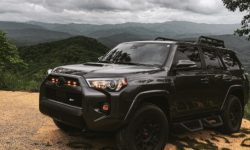
The WildRigged Take: This is where having a capable 4×4 truck gives you a massive advantage over large RVs. The best designated spots are often at the end of rugged, high-clearance trails. Upgrade your suspension, air down your tires, and claim the spots the big rigs can’t reach.
3. Mandatory Digital Permits for Remote Areas
One of the most controversial changes hitting the overlanding community in 2026 is the expansion of digital permitting for areas that used to be completely unrestricted.
The 2026 Update: In an effort to track usage and prevent overcrowding, certain highly sought-after backcountry zones now require a free (or nominal fee) digital permit obtained via Recreation.gov before you arrive.
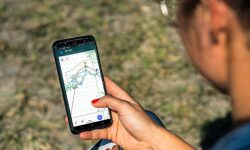
The WildRigged Take: Spontaneity is taking a hit. You can no longer just turn down a dirt road on a Friday night without checking the local ranger district’s website. Make sure you have apps like OnX Offroad or Campendium downloaded to check land boundaries and permit requirements while you still have cell service.
4. Enhanced Fire Restrictions and Mandatory Gear
Wildfires continue to be the biggest threat to the American West. Because of this, the gear you are legally required to carry is changing.
The 2026 Update: It is no longer just about avoiding a campfire during a ban. Many districts now legally require off-road vehicles to carry specific firefighting equipment. If a ranger stops you on a forest service road, you may be required to show a full-size shovel, an axe, and a minimum of 5 gallons of dedicated extinguishing water (or a high-capacity fire extinguisher).
The WildRigged Take: This is basic survival gear anyway. If you don’t already have a shovel and an extinguisher mounted to your truck bed or roof rack, consider this your final warning to get rigged properly.
How to Adapt and Stay Wild in 2026
Reading about new rules and restrictions can feel discouraging, but the truth is, the American backcountry is still vast, free, and waiting to be explored. These rules aren’t meant to stop us from truck camping; they are meant to ensure the trails stay open for the next generation of overlanders.
To stay ahead of the curve this season:
- Upgrade your navigation apps to ensure you have the latest land-use boundaries.
- Practice “Leave No Trace” religiously. Pack out what you pack in, including human waste if you are in high-use desert areas.
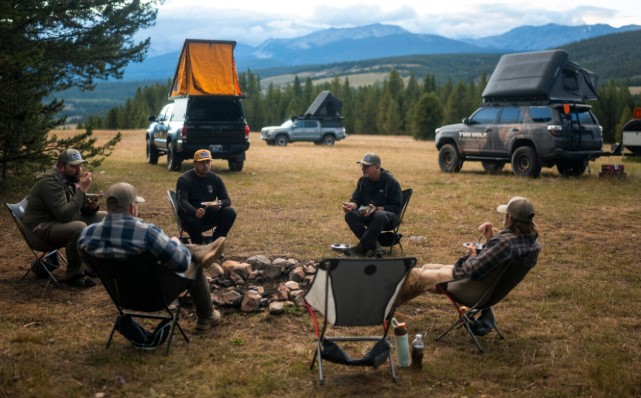
- Stay mobile. The beauty of a truck bed setup is that you aren’t tethered to one location. If a spot is crowded or restricted, put the truck in 4-High and find the next horizon.
Stay compliant, stay respectful, and stay wild.